Ancient Future
Not nostalgia — orientation. Technology as relationship, restraint as intelligence, balance as a design principle.
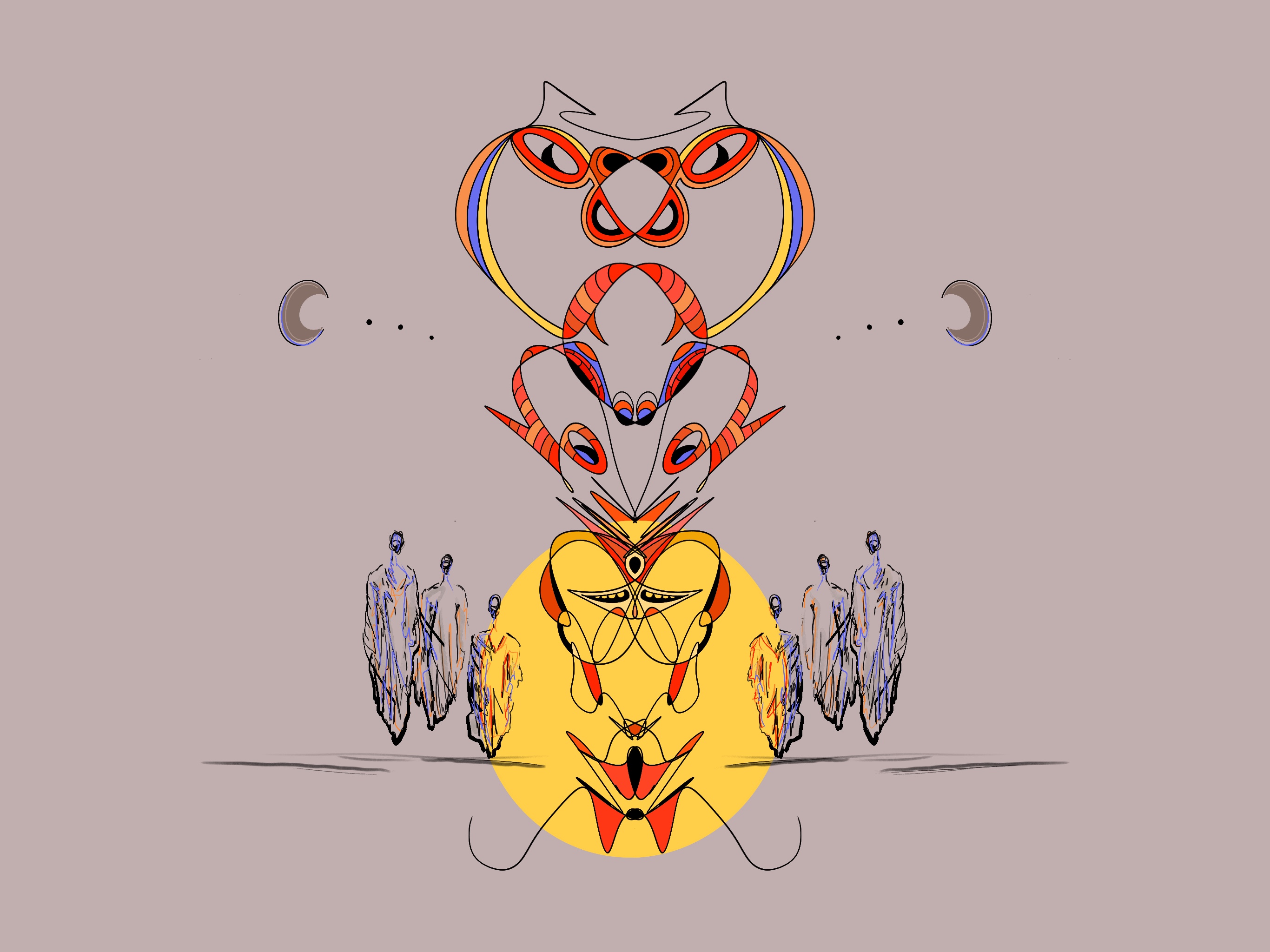
Balance is not neutrality — it is responsibility.
The problem is not that we lack intelligence. It is that we have mistaken intelligence for wisdom.
Modern systems excel at extraction, acceleration, and control. They optimize relentlessly, measure obsessively, and scale without pause. But they struggle with something older and more difficult: restraint.
Ancient cultures did not lack technology. They lacked our impatience.
What they built was often durable instead of disposable, symbolic instead of utilitarian, embedded in land rather than imposed upon it, aligned with cycles rather than quarterly returns.
Their greatest technologies were not machines alone, but relationships — with soil, water, time, and limitation.
Technology That Partnered With the Earth
Ancient engineering was often misunderstood because it was not designed for domination.
Terraces that prevented erosion. Structures aligned with solstices and seasons. Cities planned around water flow, wind, and sun. Materials chosen for longevity rather than speed.
These were not primitive solutions. They were context-aware.
Where modern systems extract and replace, ancient systems tended to integrate and regenerate. They understood that efficiency without balance eventually becomes fragility.
Organic Intelligence
Ancient Future is not nostalgia.
It is the recognition that intelligence can be embodied, ecological, symbolic, cyclical.
Rather than externalizing power into endless tools, ancient cultures often embedded intelligence into form itself — geometry, proportion, orientation.
These systems created a kind of circulating balance: energy moving rather than depleting, progress without severance, power without domination.
What We Forgot
We forgot that scale demands humility. We forgot that power requires limitation. We forgot that progress must be interruptible. We forgot that technology should deepen relationship, not replace it.
We forgot that systems should be able to stop themselves.
Ancient cultures built with the assumption that the future would inherit what they left behind. Modern systems behave as if the future is an abstraction.
The Counter-Model
Ancient Future is not about going backward.
It is about remembering that wisdom precedes optimization, that balance outlasts speed, and that intelligence divorced from ecology eventually turns against its host.
The future worth building is not one where humans dominate the planet with better tools.
It is one where we partner with it — and allow intelligence to circulate rather than accumulate.
Orientation, Not Instruction
Ancient Future does not prescribe policy. It offers posture.
Devolution accelerates when systems forget their context. Ancient Future begins when we remember it.